
Navigating Distressed Assets: Five Lessons from a Part-Built Commercial Scheme
Macro headwinds and rising costs are stalling commercial schemes mid-construction, creating an unprecedented window to acquire distressed assets at bottom-of-the-market prices and execute with a clearly defined vision.
Property development is a challenging landscape at present. Stubborn macroeconomic headwinds continue to fuel uncertainty around exits and financing for both residential and commercial schemes. On the ground, developers are grappling with escalating build costs, higher debt costs, and an increasingly complex regulatory and planning environment.
This confluence of factors means that a growing number of schemes are finding themselves stuck halfway through construction, with lenders agreeing to workouts or administrators conducting fire sales to recover as much value as possible for creditors. This presents a unique market opportunity.
For developers with the capability to de-risk part-built schemes, this environment presents an unprecedented window to acquire assets at bottom-of-the-market prices and execute a clearly defined vision. Rescuing a distressed development can yield exceptional value, but it demands rigorous risk management.
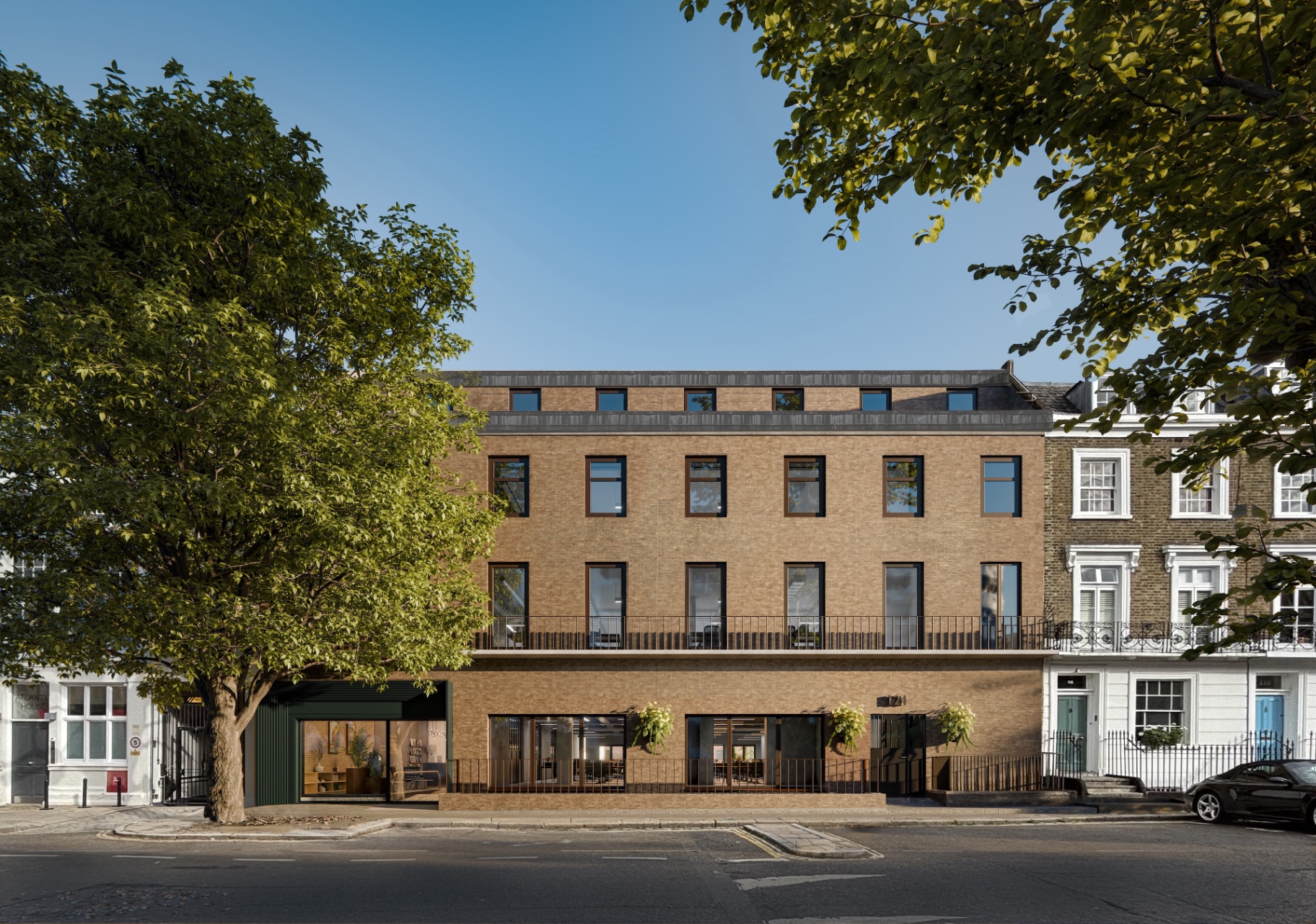
We recently completed the turnaround of a part-completed commercial building in Camden. Originally constructed in the 1970s and extending to 25,000 square feet, the building had been stripped out, with critical structural works and new extensions left exposed to the elements after work on-site abruptly stalled for several months.
Below I summarise the key lessons from the last 12 months delivering the site from an exposed shell to a premium Cat A office product.
1. Retain the existing team
Every project has its own nuances, requirements, and constraints—refurbishment projects especially. Because the original contractor and consultant team have already spent months navigating these complexities, an early conversation can save you months of costly resurveying and redesign. Engage them, establish credibility, and bring them back on board. Crucially, this also ensures structural warranties and guarantees carry over seamlessly.
2. Desktop due diligence is not enough
The best due diligence for a part-built scheme is done on site, side by side with consultants and surveyors who know what to look for. How have exposed timber joists fared against the weather? Has the ponding of water on the floorplates caused permanent structural damage? Have installed mechanical and electrical services been stripped for copper, or left to rust? Physical inspections can inform an accurate remediation budget and timeline to factor into your standard appraisal. As is often the case, the less time behind a laptop, the better.
3. Tackle the elephant(s) in the room first
Existing buildings frequently throw up costly surprises and compliance challenges that the previous developer may well have ignored. The chances of these issues being resolved by the time you inherit the site are incredibly low.
In our case, one 'elephant' we identified early on was the clay hollow-pot floor slabs. To ensure compliance, we had to extensively engage the market for specialist subcontractors to improve the slabs' fire rating and upgrade all rainwater pipework from UPVC to cast iron. By picking this up early, the costs were factored directly into our baseline budget and appraisal.
These issues can be hard to predict, but they will have an outsized impact on your budget and programme - so it is well worth spending the time trying to identify them with your design team during mobilisation.
4. Put your stamp on design
Good design never goes unnoticed, and investing in quality consistently pays dividends in higher asset value, premium rents, and reduced void periods. In a distressed scenario, the previous developer will almost certainly have attempted to cut corners by compromising layouts and value-engineering finishes. It is your job to interrogate the existing plans with fresh eyes and identify exactly where targeted upgrades will unlock hidden value. On our Camden project, we adjusted the internal layouts to increase the Net Internal Area by 10% and introduced 12 skylights across the scheme to enhance natural light on almost all floors.
5. It's not too late to get certified
Accreditations such as BREEAM and WiredScore can be pursued part-way through a build and often, a scheme's baseline score is higher than expected, meaning the incremental upgrades required to achieve top ratings are feasible. Spend some time evaluating what is right for your scheme while remobilising the design team.
For our Camden project, we targeted an all-electric property to achieve an EPC 'A' rating. Embodied carbon was inherently lower through retaining the existing structure. Given the submarket and asset size, we determined these green credentials were sufficient and that BREEAM was unnecessary. Conversely, WiredScore was identified as a critical differentiator; by adapting the existing design, we are now on track for a 'Platinum' certification.
Unlocking Value in a Challenging Market
Rescuing a distressed scheme is highly rewarding, but the delivery risks are magnified. Succeeding requires the humility to reassess design, the pragmatism to work with existing teams and the technical foresight to solve complex compliance issues before they hit your critical path.
If you are a lender looking to recover value, a receiver navigating an administration, or an investor seeking to capitalise on a distressed opportunity, we can help. Get in touch for a confidential conversation on your asset.
Have a distressed asset or opportunity to discuss?
Get in touch for a confidential conversation.
Contact us